


15 Famous Movie Quotes That Defined the 1990s
15 Famous Movie Quotes That Defined the 1990s

History ComputerWed, July 29, 2026 at 7:35 PM UTC
0

© IMDB
Before streaming clips, reaction GIFs, and social media, a movie quote became famous the old-fashioned way. Audiences repeated it to friends, reenacted it at school or work, and heard it again through television reruns and well-worn VHS tapes. The most memorable lines eventually escaped their original scenes and became part of everyday conversation.
The 1990s produced an extraordinary number of those cultural shortcuts. Some captured the decade’s humor, while others turned courtroom confrontations, action scenes, and emotional breakthroughs into instantly recognizable moments. These 15 movie quotes helped define the era and are still being repeated more than 25 years later.
Home Alone (1990): “Keep the Change, Ya Filthy Animal”
©IMDB
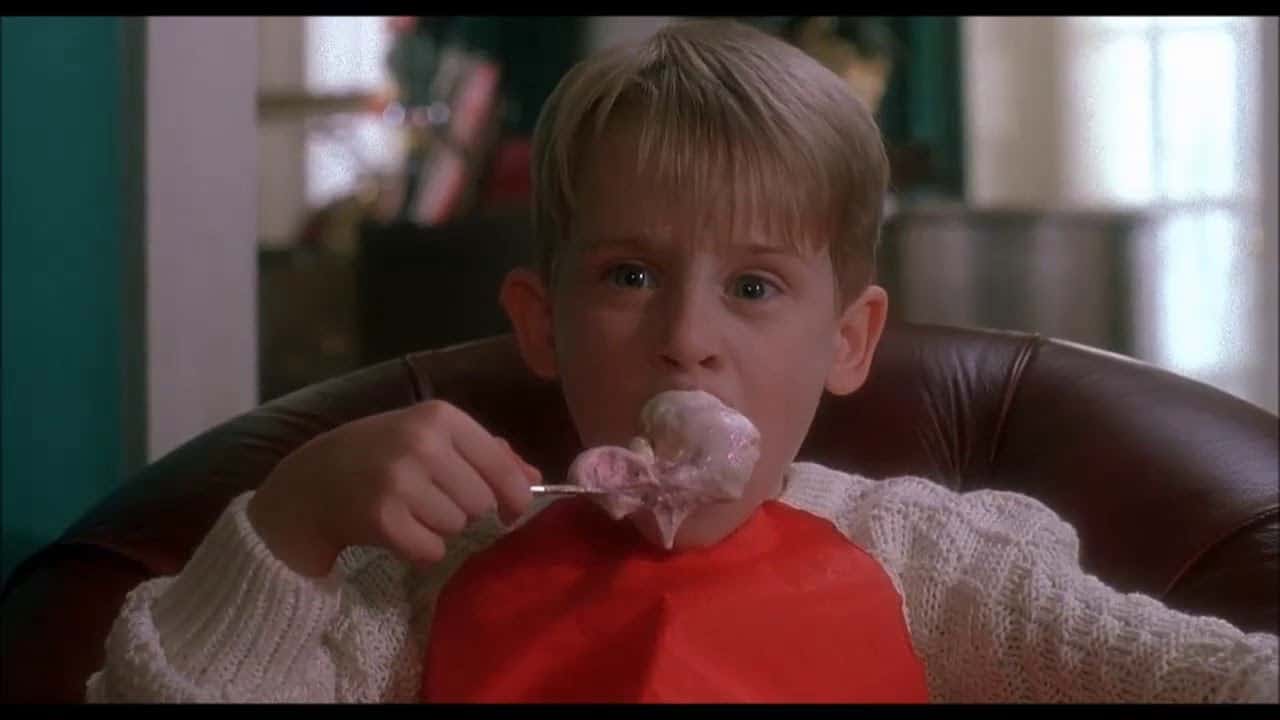
Kevin McCallister does not deliver this famous line himself. It comes from Angels with Filthy Souls, the black-and-white gangster movie Kevin watches while home alone. When a pizza delivery driver arrives, Kevin plays the scene through the door and uses its threatening dialogue to make the confused young man leave the food and run.
The gangster movie was created specifically for Home Alone, although its convincing old-fashioned style led some viewers to believe it was real. The quote became one of the film’s most enduring contributions to popular culture, especially around Christmas. It returned in the sequel through another fictional gangster scene and remains an easy way to make an ordinary transaction sound unexpectedly sinister.
Terminator 2 (1991): “Hasta la Vista, Baby”
©IMDB
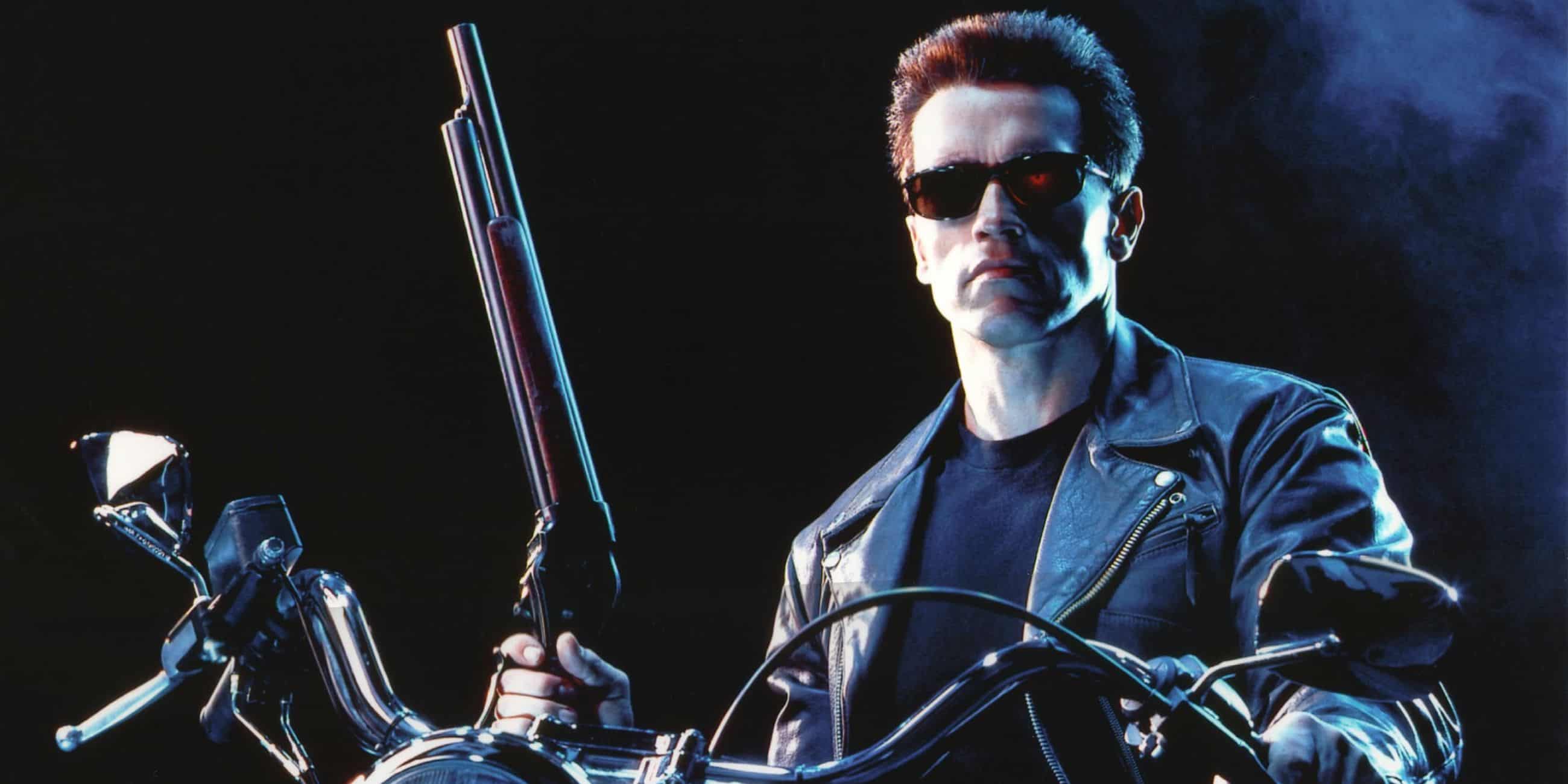
John Connor teaches the reprogrammed T-800 several pieces of contemporary slang in Terminator 2: Judgment Day. The lesson pays off during the final confrontation, when the T-1000 is frozen by liquid nitrogen. The T-800 delivers “Hasta la vista, baby” before firing a pistol and shattering the frozen machine into pieces.
The Spanish phrase existed long before the movie, but Arnold Schwarzenegger’s flat delivery made it inseparable from the character. It worked as both an action-movie threat and a callback to an earlier joke, giving audiences a line they could use for dramatic exits, playful goodbyes, and anything being discarded permanently. It remains one of the most recognizable quotes of Schwarzenegger’s career.
The Silence of the Lambs (1991): The Fava Beans and Chianti Line
©IMDB
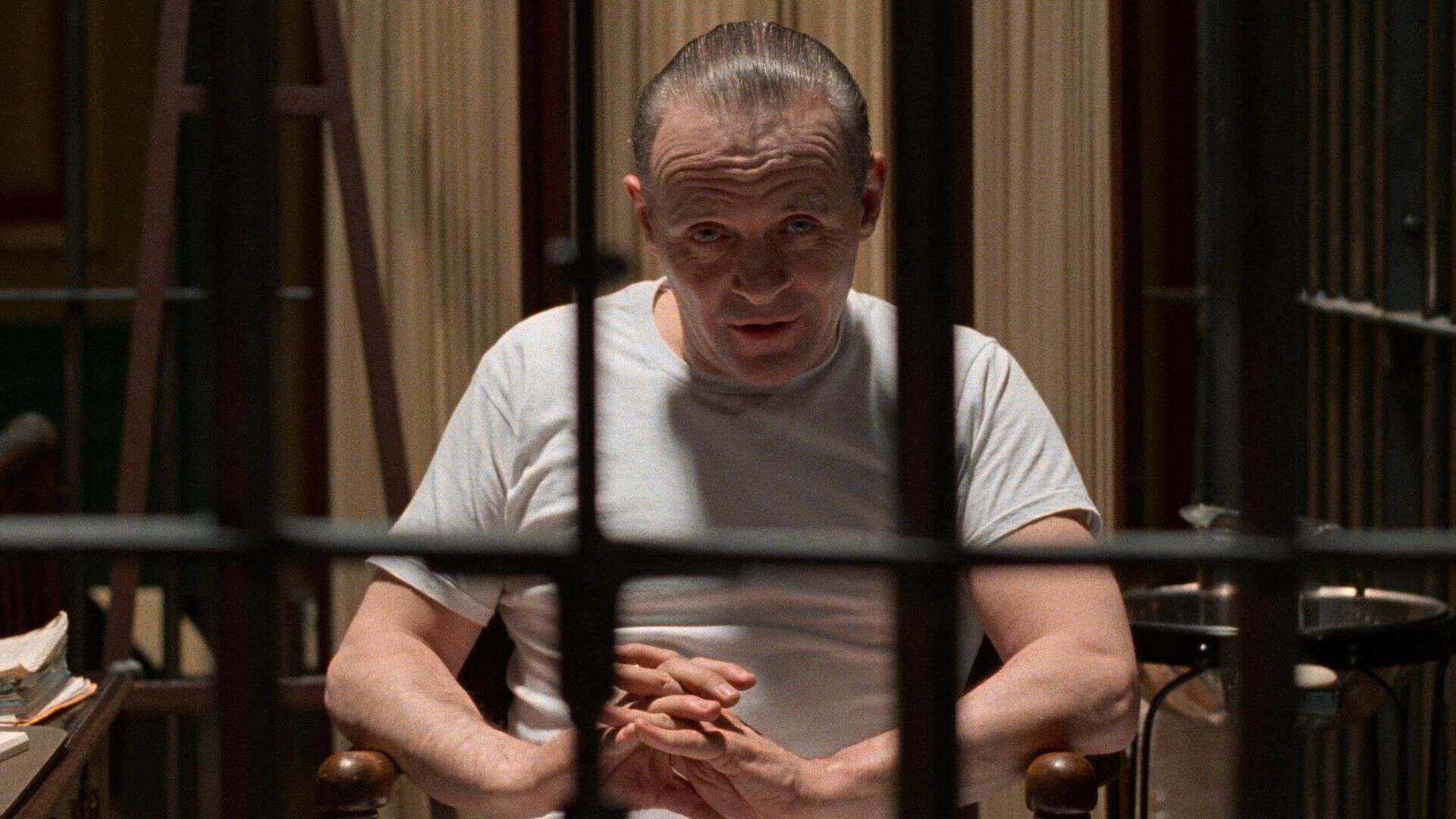
Hannibal Lecter is frightening because he rarely behaves like a conventional movie villain. While speaking with FBI trainee Clarice Starling, he calmly recalls murdering a census taker and eating the man’s liver with fava beans and Chianti. Anthony Hopkins delivers the grisly confession as casually as someone describing a memorable restaurant meal.
The strange hiss that follows made the scene even more memorable and inspired decades of impressions and parodies. Hopkins appears on screen for only a fraction of the movie, yet his controlled performance earned him the Academy Award for Best Actor. The line has since appeared in comedy sketches, dinner jokes, advertisements, and countless conversations involving wine, even among people who have never watched the entire film.
A Few Good Men (1992): “You Can’t Handle the Truth!”

©IMDB
The courtroom climax of A Few Good Men pits Tom Cruise’s Lieutenant Daniel Kaffee against Jack Nicholson’s Colonel Nathan Jessup. Kaffee presses Jessup about the unauthorized “Code Red” that led to a Marine’s death. Jessup’s confidence turns into fury as he insists that men like him perform the difficult work required to protect the country.
When Kaffee demands the truth, Jessup erupts with the line that came to define the movie. Nicholson’s delivery transforms a legal admission into an expression of arrogance, resentment, and self-justification. The quote quickly became shorthand for someone refusing to accept an uncomfortable answer and has since been parodied in television shows, advertisements, political commentary, and ordinary arguments.
Wayne’s World (1992): “We’re Not Worthy!”
©IMDB
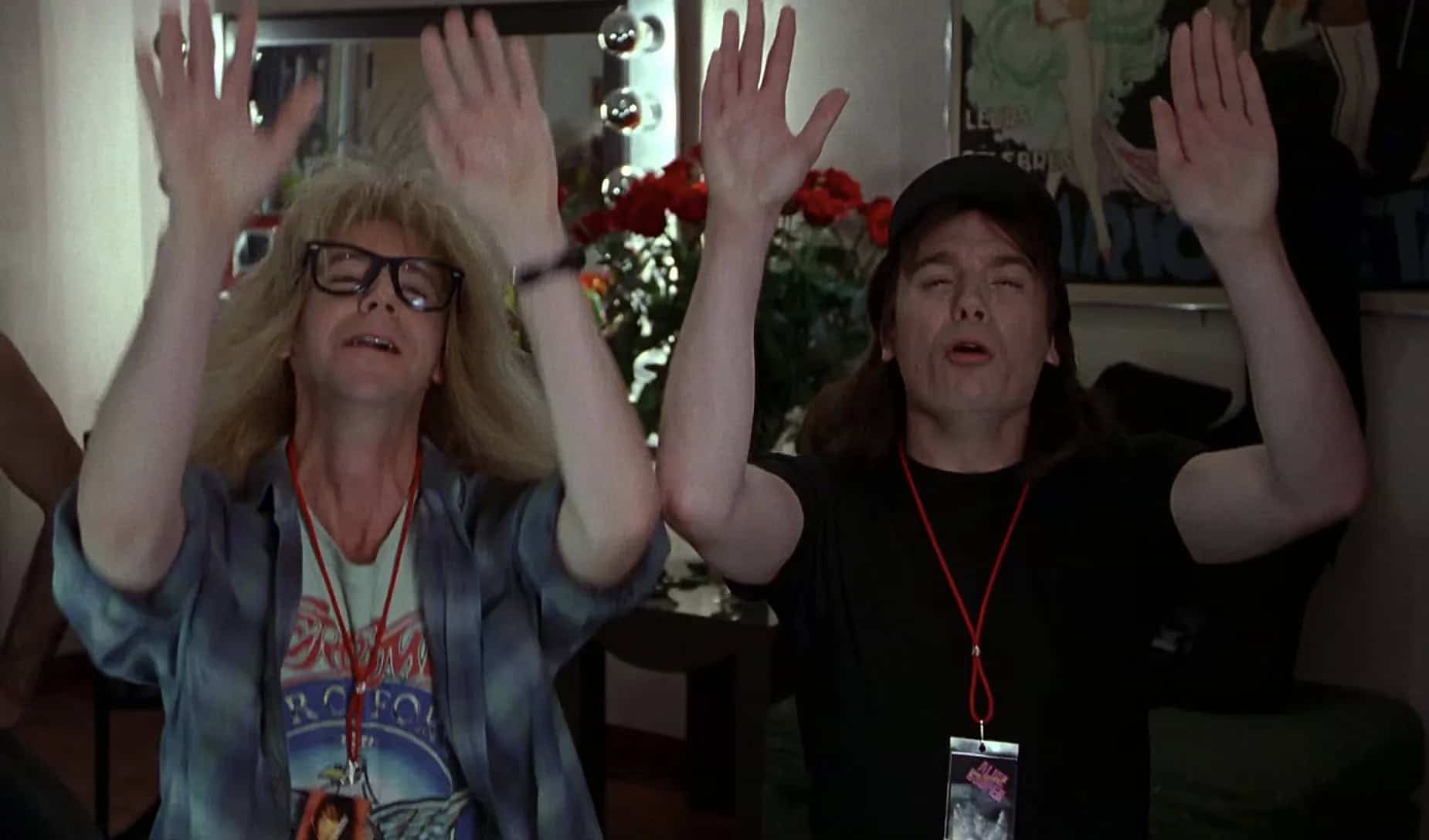
Wayne Campbell and Garth Algar are overwhelmed when they meet rock star Alice Cooper backstage after a concert. Instead of simply greeting their idol, the pair drop to their knees, bow repeatedly, and chant, “We’re not worthy.” The exaggerated display perfectly captures how the two characters respond whenever their enthusiasm becomes too large for normal conversation.
The physical gesture became nearly as famous as the words. Fans still kneel and repeat the chant when meeting celebrities, witnessing a remarkable performance, or reacting to something that deserves comically excessive praise. Like many jokes that began on Saturday Night Live and reached a larger audience through Wayne’s World, the phrase became part of the shared language of 1990s pop culture.
Jurassic Park (1993): “Hold Onto Your Butts”

Chief engineer Ray Arnold delivers this warning as the control-room team prepares to shut down Jurassic Park’s computer systems and restart them. The plan is supposed to restore the malfunctioning park, but cutting the power temporarily disables critical systems, including the electrified fences that separate the humans from the dinosaurs.
Samuel L. Jackson turns the unusual phrase into a perfect warning that events are about to become unpredictable. Jurassic Park produced several enduring quotes, but this one became especially useful outside the movie. People still repeat it before risky decisions, stressful trips, computer updates, and any situation that appears likely to descend into chaos.
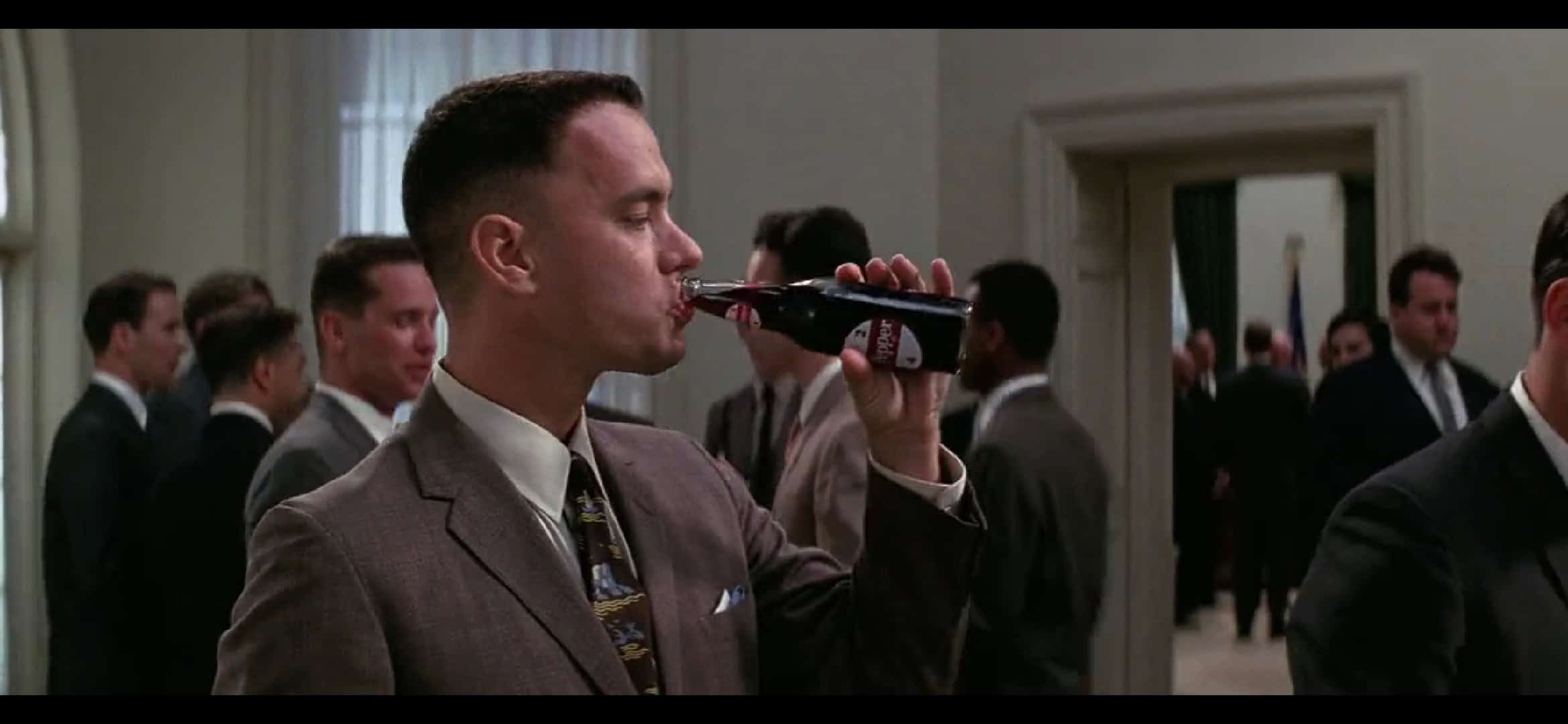
Forrest Gump (1994): “Life Was Like a Box of Chocolates”
©Courtesy of Paramount - Original /License
Forrest Gump introduces one of the decade’s most famous metaphors while sitting on a bench and speaking to strangers. Recalling his mother’s advice, he explains that life was like a box of chocolates because a person never knows what will come next. The simple observation prepares viewers for a story in which Forrest repeatedly finds himself at the center of unexpected historical events.
The line is frequently misquoted as “Life is like a box of chocolates,” but Tom Hanks uses the past tense in the finished film. That small difference did nothing to limit its popularity. The quote has appeared in speeches, advertisements, greeting cards, television programs, and everyday discussions about uncertainty. Few movie metaphors have traveled so completely beyond their original context.
Advertisement
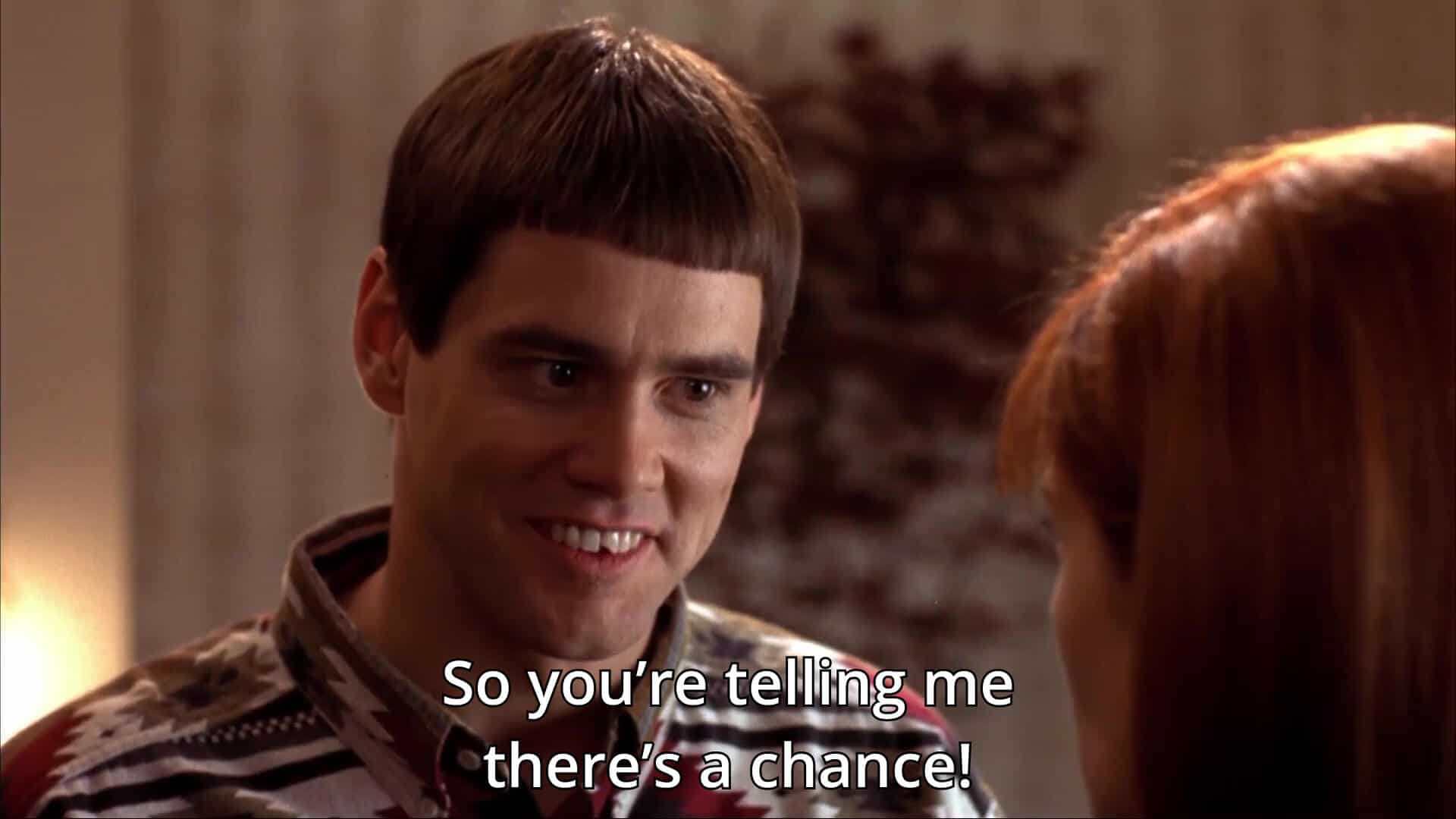
Dumb and Dumber (1994): “So You’re Telling Me There’s a Chance”
©IMDB
Lloyd Christmas asks Mary Swanson what the odds are that they could become a couple. She gives him a brutally clear answer: approximately one in a million. Rather than recognizing the rejection, Lloyd brightens and focuses entirely on the fact that the probability is technically greater than zero.
Jim Carrey’s sudden burst of optimism turns a hopeless situation into one of the movie’s most famous jokes. The line soon became a favorite among sports fans, gamblers, underdogs, and anyone determined to find encouragement in terrible odds. It remains useful because it communicates both irrational confidence and a refusal to admit defeat in a single sentence.
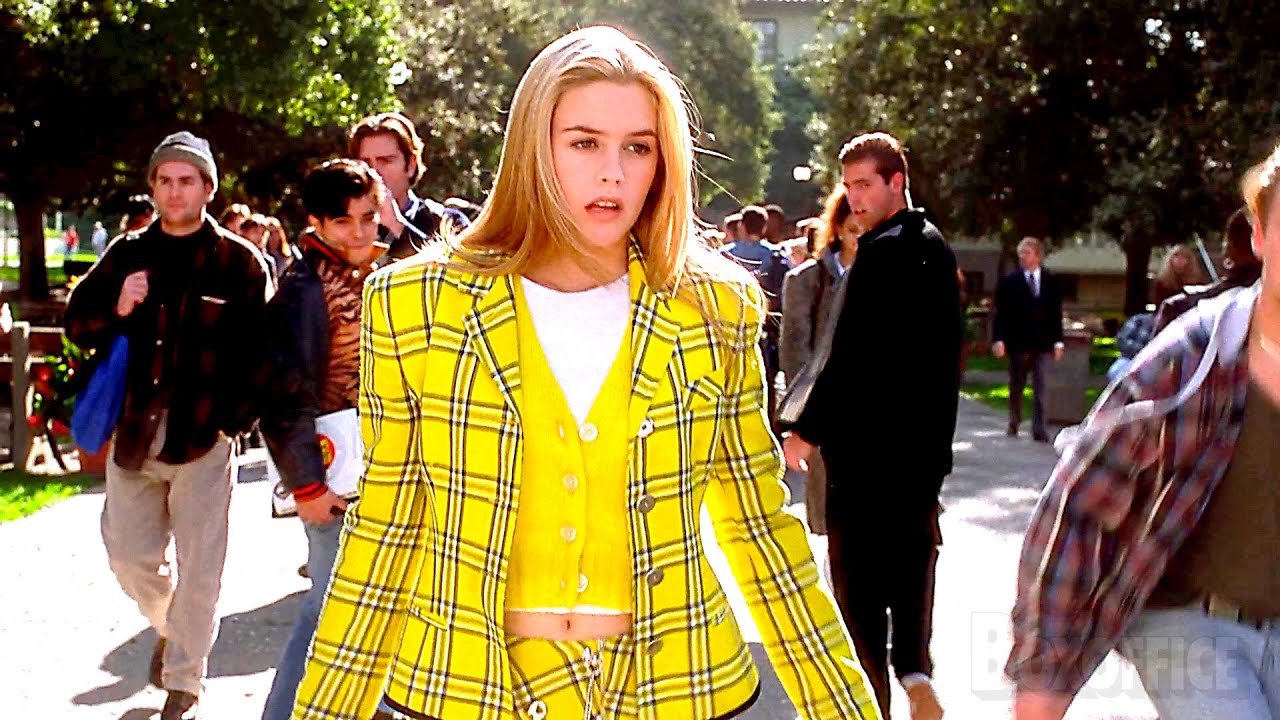
Clueless (1995): “As If!”
©IMDB
Cher Horowitz needs only two words to reject an idea in Clueless. Alicia Silverstone delivers “As if!” with a mixture of disbelief and casual superiority, making it more memorable than an angry response would have been. The phrase quickly became one of the clearest verbal symbols of 1990s teenage culture.
Clueless did more than popularize one catchphrase. Its dialogue introduced a wider audience to expressions such as “full-on Monet” and helped bring a stylized version of Southern California teen slang into schools across the country. Much of that vocabulary eventually faded, but “As if!” remained an efficient way to dismiss an absurd suggestion while making a recognizable reference to the film.
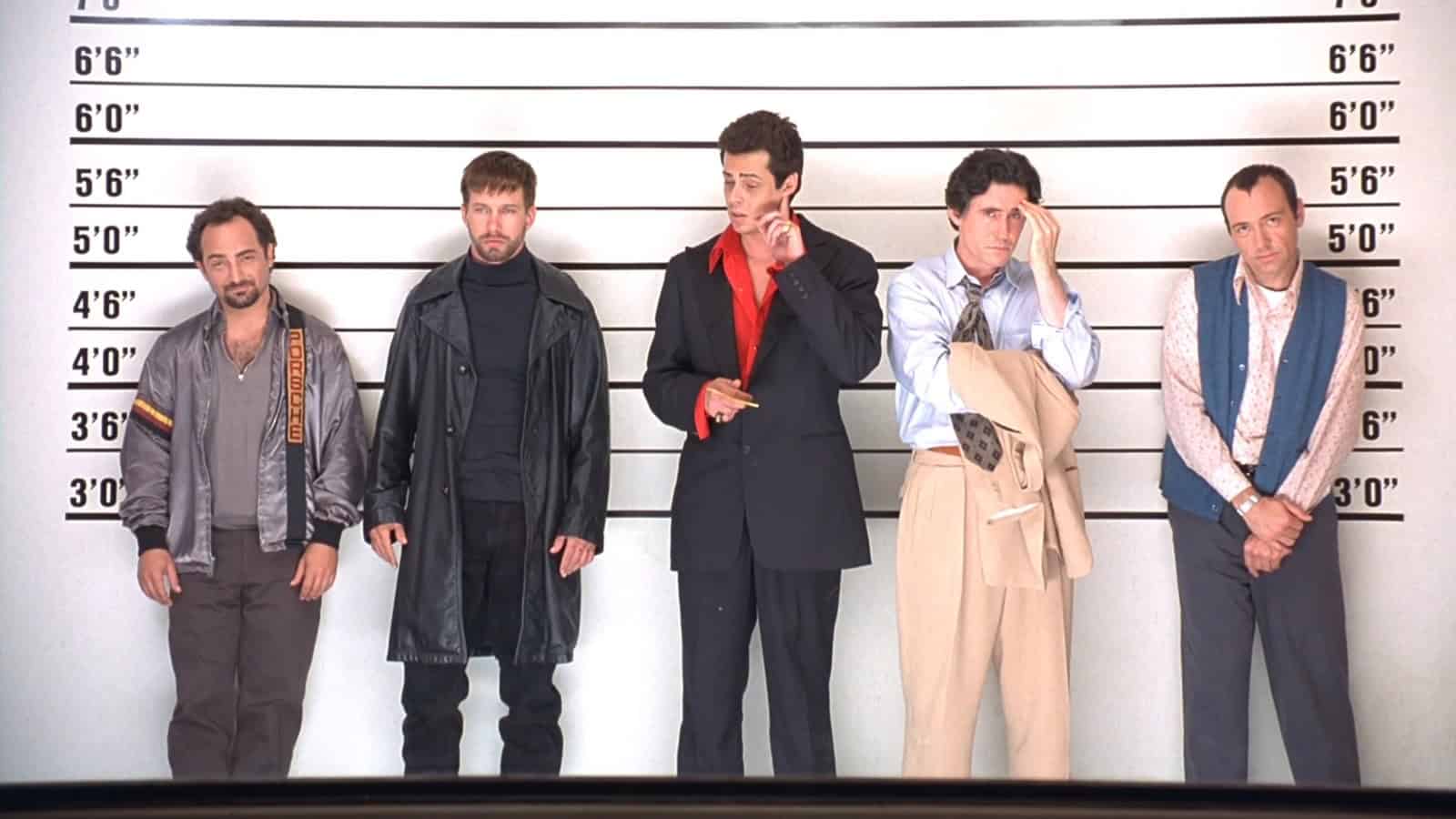
The Usual Suspects (1995): “The Greatest Trick the Devil Ever Pulled”
©IMDB
During his interrogation, Verbal Kint explains that the devil’s greatest trick was convincing the world that he did not exist. The observation initially sounds like an interesting piece of philosophy. Once the movie reveals the scale of Kint’s deception, the line takes on a second meaning and appears to describe exactly what the speaker has accomplished.
The basic idea predates The Usual Suspects and is commonly connected to 19th-century French writer Charles Baudelaire, but the movie introduced its best-known modern wording to a mass audience. It is now quoted when discussing hidden influence, successful deception, corporate misconduct, or anyone who avoids suspicion by persuading others that there is nothing to investigate.
Jerry Maguire (1996): “Show Me the Money!”
©IMDB
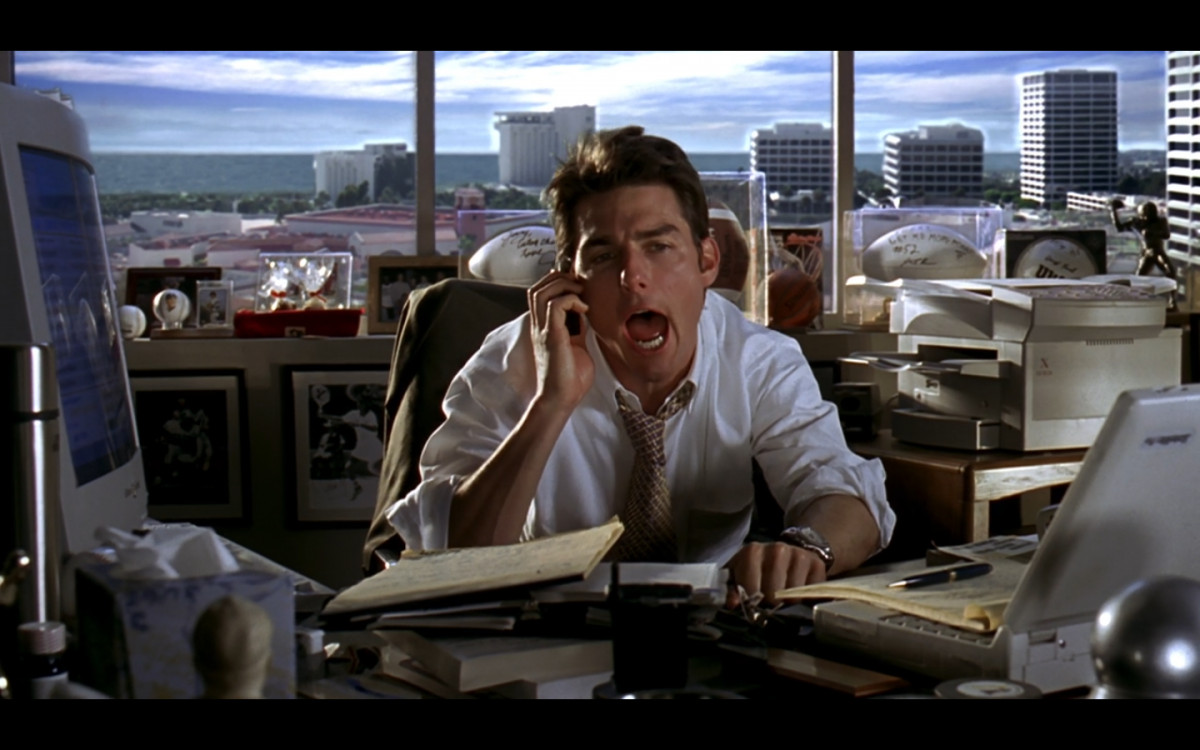
Sports agent Jerry Maguire is struggling to save his career when he calls Rod Tidwell, the last client willing to remain with him. Tidwell refuses to accept vague promises about future success. He repeatedly orders Jerry to shout “Show me the money,” turning a tense professional negotiation into an increasingly loud and ridiculous performance.
The exchange between Tom Cruise and Cuba Gooding Jr. became one of the most imitated scenes of the decade. Gooding later won the Academy Award for Best Supporting Actor, and the quote moved almost immediately into sports, business, and political language. It remains a direct and humorous demand for payment, results, or proof that someone’s promises have real value.
Independence Day (1996): “We Will Not Go Quietly Into the Night”
©IMDB
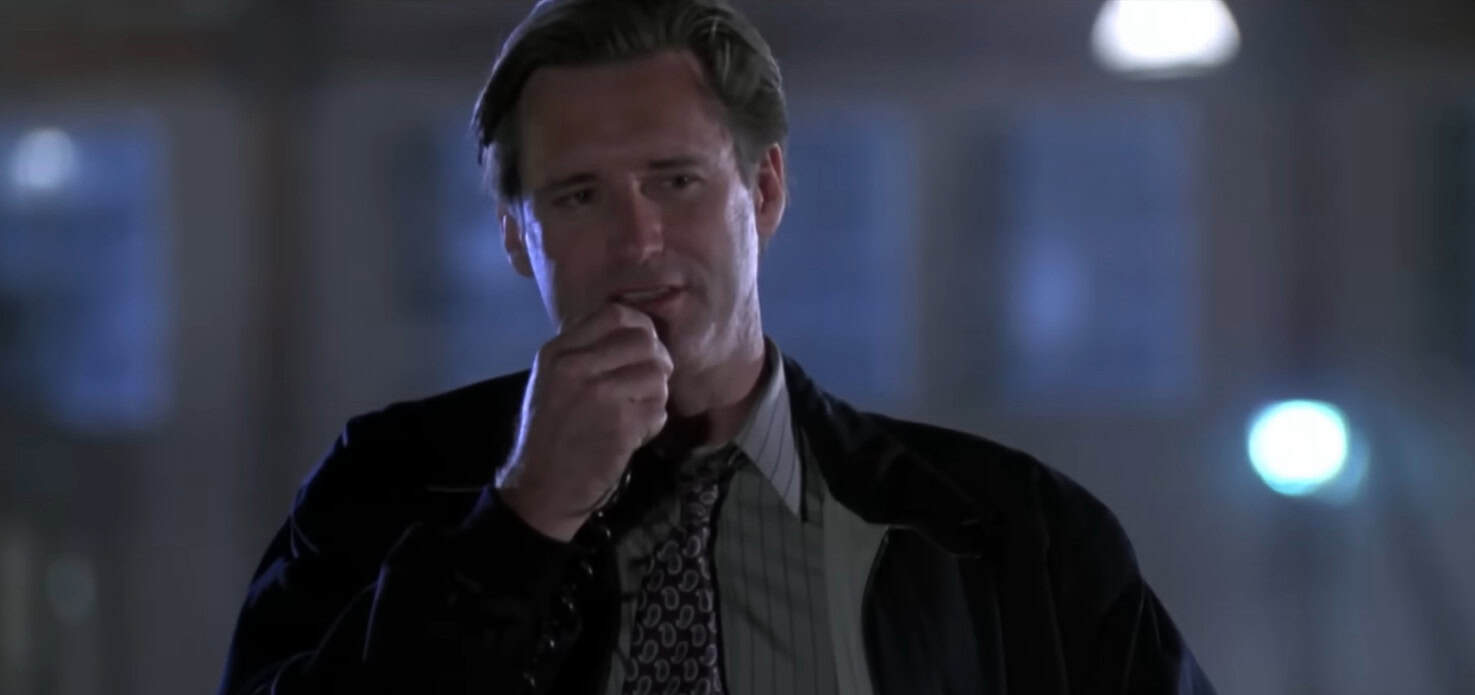
With Earth preparing for a final counterattack against an alien invasion, President Thomas Whitmore delivers a speech to the assembled pilots. Bill Pullman’s character transforms the Fourth of July into a worldwide symbol of resistance, declaring that humanity will not quietly disappear and that the date will become the planet’s Independence Day.
The speech was designed for maximum emotional impact, complete with swelling music and an impossible global crisis. Audiences embraced it precisely because of that unapologetic intensity. Pullman later recreated versions of the address for advertisements and public campaigns, while fans continue to quote it before sporting events, difficult projects, and other situations that demand deliberately excessive motivation.
Titanic (1997): “I’m the King of the World!”
©IMDB
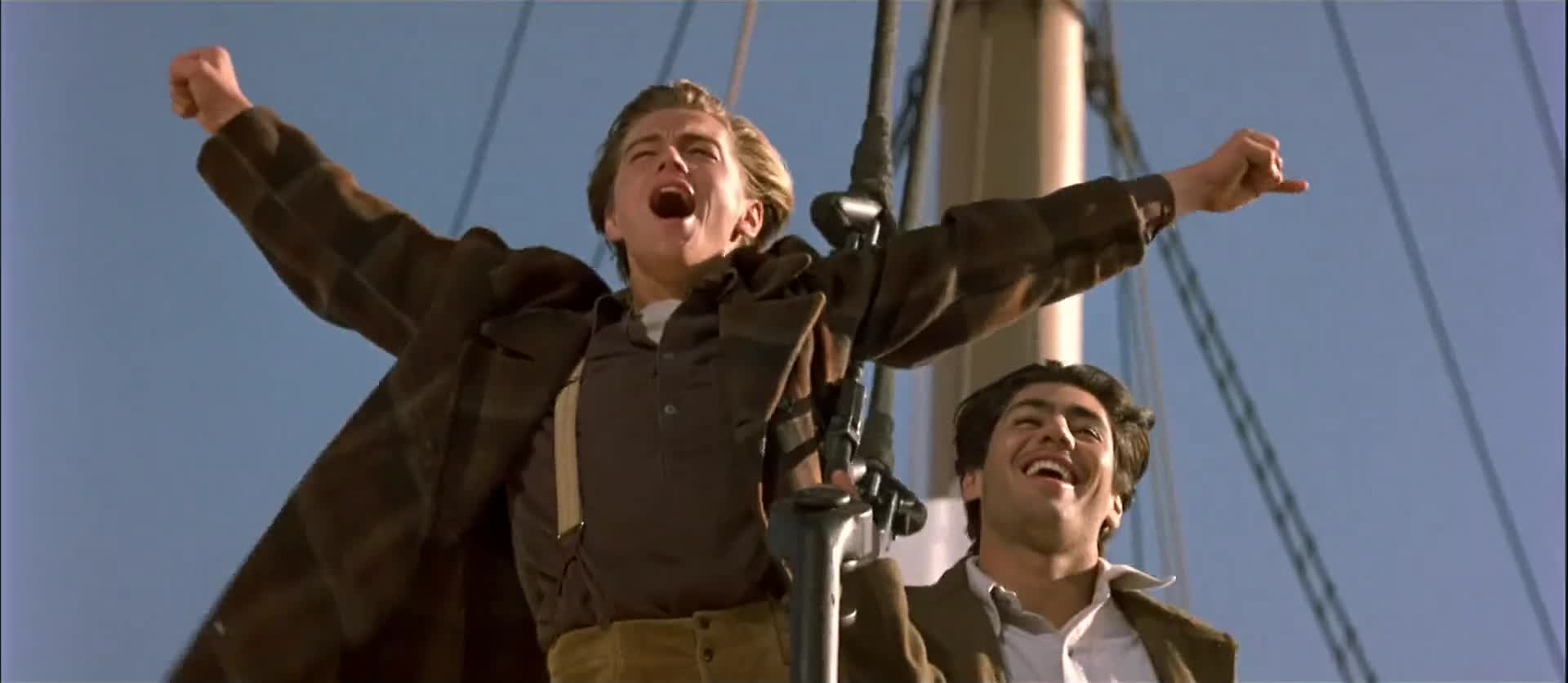
Jack Dawson stands at the bow of the Titanic, stretches out his arms, and shouts into the open air that he is the king of the world. The scene captures Jack’s excitement at beginning a new adventure before the story turns toward disaster. Leonardo DiCaprio’s pose became as recognizable as the words themselves.
The quote became so closely associated with the movie that director James Cameron repeated it while accepting the Academy Award for Best Director. Cruise passengers, tourists, and couples have recreated the bow pose ever since, usually while someone photographs them from behind. It remains one of the clearest examples of a movie scene becoming a real-world ritual.
Good Will Hunting (1997): “It’s Not Your Fault”
©IMDB
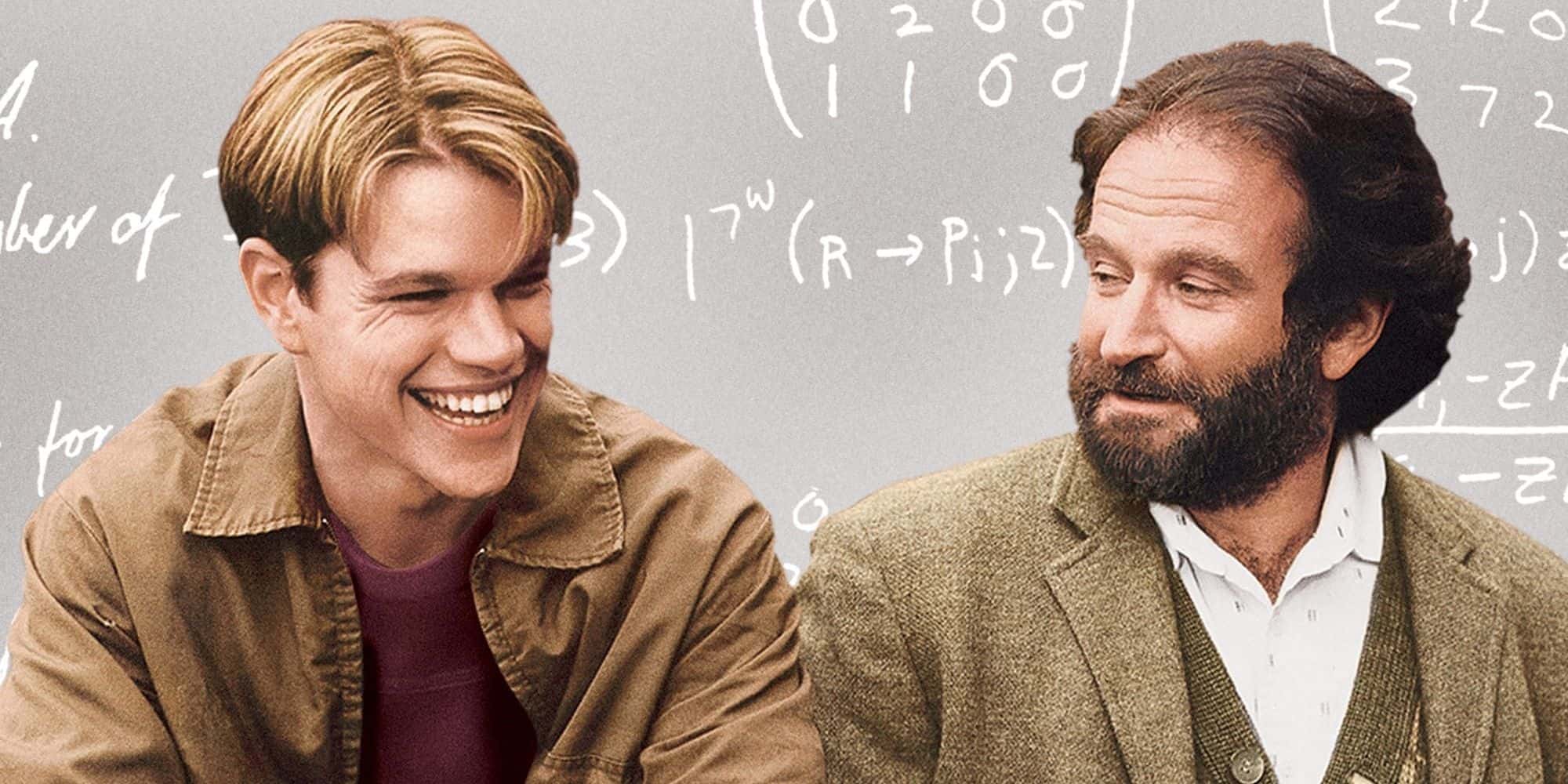
Therapist Sean Maguire repeatedly tells Will Hunting that the abuse he suffered as a child was not his fault. Will initially dismisses the words and tries to turn the conversation into a joke, but Sean continues repeating them until Will can no longer maintain the emotional defenses that have shaped his adult life.
Robin Williams plays the scene with patience rather than force, allowing the repetition to carry the emotional weight. The moment became one of the defining scenes in both Williams’ and Matt Damon’s careers. Unlike many famous movie lines used primarily for humor, this quote continues to appear in sincere conversations about trauma, grief, guilt, and self-blame.
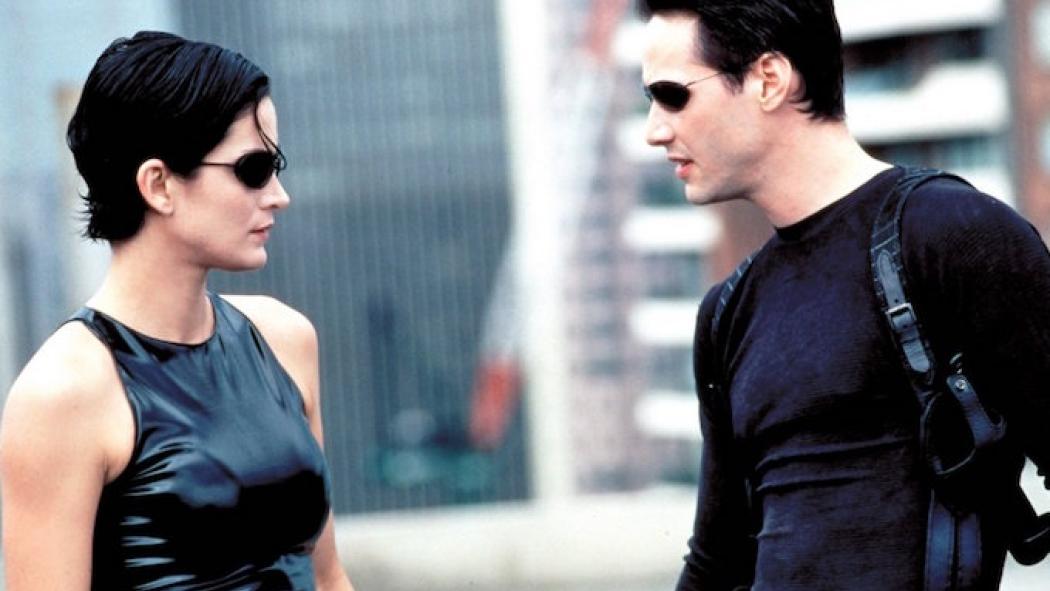
The Matrix (1999): “I Know Kung Fu”
©IMDB
Neo experiences one of the most memorable demonstrations of the Matrix when martial arts knowledge is uploaded directly into his brain. After the process ends, he opens his eyes and quietly announces, “I know kung fu.” Keanu Reeves delivers the line with surprise rather than confidence, making the impossible achievement sound almost routine.
The Matrix produced several lasting references, including the red pill, the blue pill, and the claim that there is no spoon. “I know kung fu” proved especially adaptable because it could be rewritten for almost any newly acquired ability. It remains a popular response to finishing a tutorial, learning a shortcut, or gaining just enough knowledge to feel temporarily unstoppable.
Source: “AOL Entertainment”
